
Ultimate Guide to Concrete Leveling Products for Homeowners
Learn about essential products that simplify concrete leveling tasks and deliver long-lasting, professional-looking results.
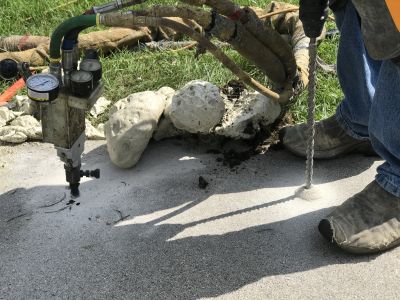 Concrete leveling is a crucial process for maintaining the safety, appearance, and functionality of various surfaces in residential, commercial, and industrial settings. Over time, concrete slabs can settle, crack, or develop uneven spots due to soil movement, moisture changes, or poor initial installation. Addressing these issues promptly can prevent further damage and extend the lifespan of the concrete. There are numerous products available designed to help with concrete leveling, ranging from DIY kits to professional-grade solutions. These products typically include compounds, fillers, and tools that allow users to fill cracks, lift slabs, and create a smooth, level surface.
Top Overall Option
Polyurethane Concrete Leveling Kit
A versatile polyurethane-based leveling kit offers a user-friendly solution for filling cracks and raising uneven slabs. It provides a durable, flexible bond suitable for various concrete surfaces and is often favored for its quick curing time and ease of application. Ideal for both small repairs and larger projects, this type of product can help achieve a smooth, level finish with proper technique.
Types of Products For Concrete Levelings
Polyurethane Foam Injectors
Used to lift and stabilize sinking slabs by injecting expanding foam beneath the surface.
Cementitious Patching Compounds
Suitable for filling cracks and minor surface repairs with a cement-based formula.
Self-Leveling Underlayments
Fluid mixtures designed to create a smooth, level surface on floors and slabs.
Epoxy Injection Kits
Ideal for structural crack repairs and bonding broken concrete sections.
Hydraulic Cement Mixes
Quick-setting compounds used to seal and repair cracks and holes in concrete surfaces.
Polyurea Coatings
Flexible coatings that can also serve as leveling overlays for minor surface imperfections.
Concrete Resurfacing Products
Overlay mixtures designed to restore the appearance of worn or damaged concrete surfaces.
Crack Repair Sealants
Flexible sealants formulated to fill and seal cracks, preventing water intrusion and further damage.
Mudjacking Equipment
Tools and materials used for raising sunken slabs through slurry injection.
Injection Ports and Accessories
Components used in foam and slurry injection processes for precise application.
Concrete Surface Cleaners
Preparatory products to ensure proper adhesion of leveling compounds.
Vibration and Mixing Tools
Equipment to mix and apply leveling compounds effectively.
Underlayment Tapes and Barriers
Materials to protect surrounding areas during repair work.
Rapid-Set Repair Mortars
Fast-curing mortars for urgent repair needs.
Waterproofing Sealants
Products to protect repaired surfaces from moisture penetration.
Popular Choices
Widely used for slab lifting and stabilization with expanding foam technology.
Commonly selected for structural crack sealing and bonding applications.
Popular for creating smooth, even surfaces on interior floors.
Favored for quick sealing of cracks and holes in concrete structures.
Chosen for restoring worn or damaged concrete surfaces with a new finish.
Effective for sealing small to medium cracks to prevent water ingress.
Popular for raising sunken slabs through slurry injection methods.
Essential accessories for foam and slurry injection processes.
Commonly used before applying leveling products to ensure adhesion.
Frequently used tools to ensure thorough mixing of compounds.
Popular for protecting repaired concrete surfaces from moisture damage.
Preferred for urgent repair scenarios with quick curing times.
Chosen for their flexibility and quick application for minor surface leveling.
Choosing the right product depends on the specific needs of the project, such as the size of the area, the severity of unevenness, and the type of concrete involved. Some products are formulated for small cracks and minor adjustments, while others are capable of handling larger slabs and significant unevenness. Proper application and preparation are essential to achieve satisfactory results. Many products also come with detailed instructions to guide users through the process, ensuring safety and effectiveness.
For those considering a DIY approach, understanding the different types of leveling compounds and their appropriate uses is vital. Some products are quick-setting and suitable for small repairs, whereas others require longer curing times and are better suited for extensive leveling tasks. Professional-grade products often offer higher durability and better adhesion, making them suitable for more demanding projects. Regardless of the product chosen, following manufacturer instructions carefully can help ensure a successful outcome and a long-lasting, level surface.
In addition to the products themselves, it is important to consider the tools and accessories needed for application. This might include mixing equipment, trowels, or specialized pumps for injecting leveling compounds beneath slabs. Proper surface preparation, such as cleaning and removing loose debris, can significantly impact the effectiveness of the leveling process. Whether for residential driveways, walkways, or commercial floors, selecting the right products and techniques can make a noticeable difference in the final appearance and stability of the concrete surface.
Key Buying Considerations
- Identify the extent and type of unevenness or damage in the concrete surface.
- Determine whether the project requires a quick-setting or a longer curing product.
- Consider the size of the area to be repaired to select an appropriately scaled product.
- Evaluate the compatibility of the product with existing concrete and environmental conditions.
- Check if the product is suitable for structural repairs or surface leveling only.
- Review application requirements and whether special tools or equipment are needed.
- Assess the ease of use and whether the product is suitable for DIY application or professional use.
- Consider the durability and flexibility of the product to accommodate movement or settling.
- Look into curing times to plan the repair process effectively.
- Ensure proper surface preparation instructions are available for optimal results.
- Review safety precautions and protective gear recommendations during application.
- Verify the product's resistance to water, chemicals, or other environmental factors relevant to the location.
- Check for any surface finish or aesthetic options, if appearance matters.
- Estimate the quantity needed based on the size of the repair area.
- Consider budget constraints while balancing quality and performance.
This page contains affiliate links, and we may earn a commission from qualifying purchases to support our content.